Three beautiful years of working in an amateur team
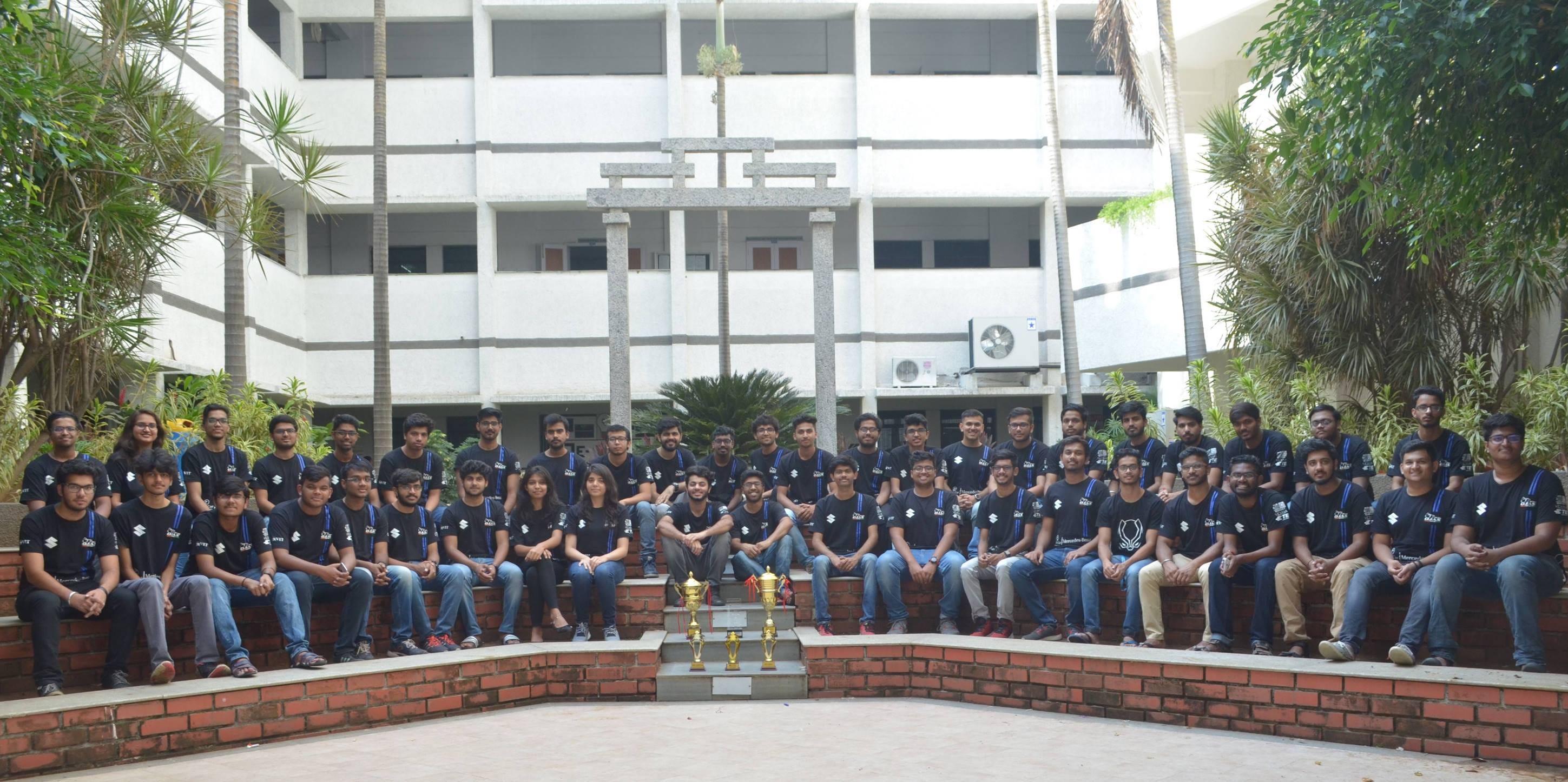
It's been a couple of years now but experiences are lessons learned for life. And thanks to COVID I finally have the time to document it.
How I ended up on a racing team
I come from a college where there's a thin line that separates the girl's and the boy's hostel. A thin line from a bird's eye view because in reality, it's a railway track. Yes, you read it right — it was a 1.4m wide railway track and the supporting architecture that separated the two hostels. I wasn't really affected by this situation except for the time when I slept at 5:30 AM and a super annoying engine would honk the life out of me at 6 AM sharp. However, humans eventually adapt to everything.
I came to VIT with a simple goal: I wanted to be the topper. But then something happened in the very first week. It was the roll-out event of Pravega Racing. I entered the auditorium and it was jam-packed. Almost no breathing space — and that's when I realized VIT isn't a college, it's a civilization. I thought there must be faculty advisors who would be presenting this. But I soon realized they were college students. It was a formula student team with 60 members who work together in a workshop to design and build a car that can participate in FSAE events held across the globe. And if you heard the engine roar that night, you would do anything to be a part of it.
That's the moment when the goal of being the topper shifted to being an FSAE alumnus.
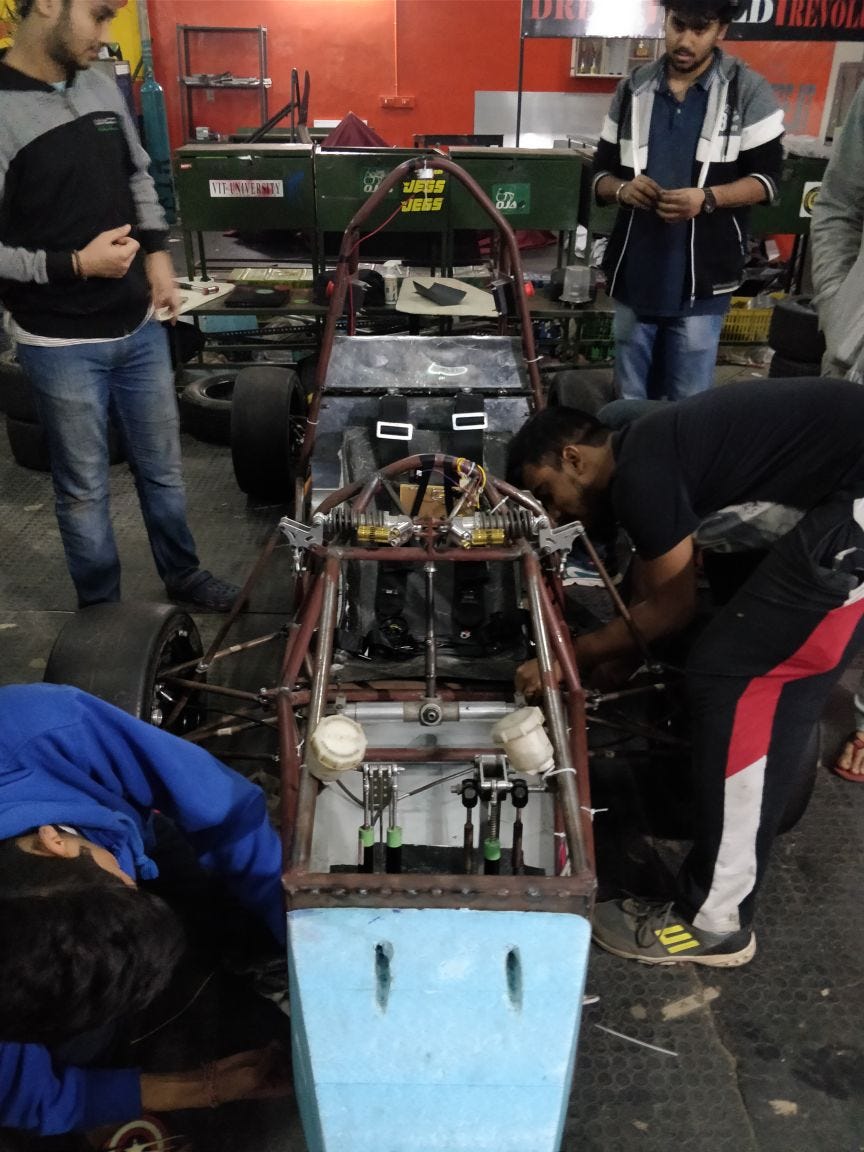
I wasn't a gearhead initially, but joining a racing team was all that mattered to me. Soon, during my second semester, I joined Team Ojas — the one that didn't have an engine because #wespeakelectric. It is VIT's official Formula Student electric team, started in 2013. The best thing about FSAE teams is that you don't have a CEO or CTO. You have seniors that pass on the legacy to their juniors with a trust that we won't ruin their hard work. It's like passing your firelight.
The objective of being recruited in an FSAE team was fulfilled. And then comes the fun part.
Late nights and locked workshops
VIT runs on a schedule of 8 AM to 7:30 PM where we have classes on and off. So when did we manage to design and manufacture a car? When the rest of the college was sleeping, chilling, or studying (I don't know), we were building on ideas, designs, and iterations. We worked together at the college campus from 9:00 PM to 3 AM to make this dream come true. I was one of those 60 members working on vehicle aerodynamics — but this time, the goal wasn't to be the topper. It was to design the first aerodynamics package for the vehicle.
For a long time, it didn't matter to me how strict VIT was. Until the day when I first got my late-night permits. It said 9:00 PM to 12:00 AM and I thought my warden had mistaken so I informed her it's till 3:00 AM. She said that's only for the boys. I soon realized that I was the only female member in the team, so I didn't hold a majority. But humans adapt to everything. Eventually I started feeling lucky because they at least allowed me till 12. The initial days were so weird. I'd enter a classroom full of guys and sit on the first bench — but that didn't last very long. Soon I made friends. Correction: friends for life. We used to argue, fight, rant, complain — but we always had each other's back.
Then came the semester exams, followed by summer break, when night passes weren't allowed.
On July 16, 2016, my sophomore year started. The team had now shifted to the manufacturing phase, and we were required to work in the workshop. This is the point when that thin line from the bird's eye view started creating troubles for me. The workshop was located on the other side of the thin line, in the men's hostel. The only way to reach there was guarded by 5 security Anna (as we used to call them in VIT). Breaking into the workshop was never an option — it had to be legal and organized. The 12 AM night permit was still okay, but no entry into the workshop meant not being able to work on the dream. I knew I didn't hold a majority, but there were other girls like me in different teams. After a few months of waiting, our Chief Warden got us our permits. To be honest, it felt like I conquered the world that day.
Year one — learning to fail
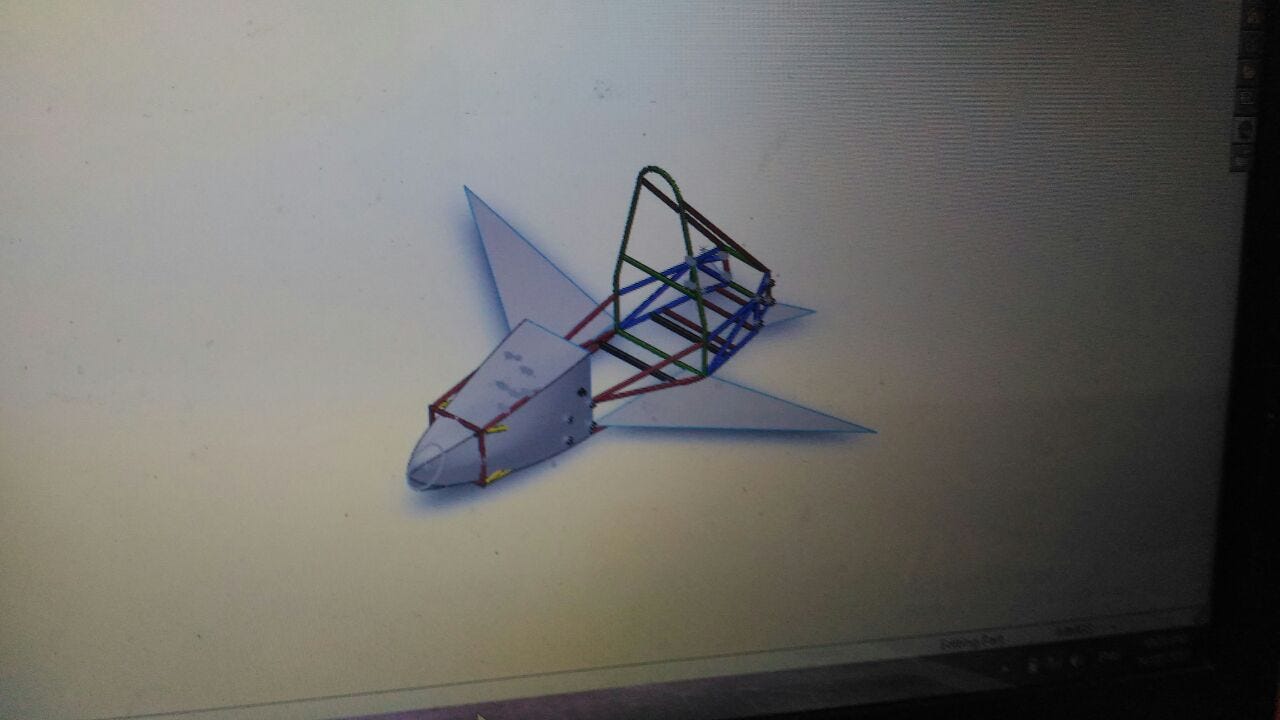
For the year 2016, we started from scratch working on TOR 17 (car identity number) which would participate in Formula Student Italy. This year was full of failure for me. My teammate and I were working on aerodynamics, and we had no prior experience. From importing the coordinates of the first NACA airfoil to making a poor low-fidelity prototype, we sucked at it totally. We didn't know how to do the fluid analysis, design proper mountings, or manufacture the wings — but we did excel in understanding the concepts of aerodynamics. So 2016–2017 was a year full of realizations, iterations, and lessons that could help us achieve a lot better results in our next try.
Leading the aero department
The fresh year had started: 2017. The pressure was too much. This was my final year in the team, I was appointed as the aerodynamics lead, and I had to deliver what I was recruited for. The good part about 2017 was that it wasn't just me and another member anymore — we were a team of 7. It was a department, and I was made the department head. We started from scratch: teaching the basics to our juniors, discussing the design strategy, setting a timeline, and aiming to design a single aerodynamics component — the front and rear wings. (We have several other components like a diffuser, side wings, etc.)
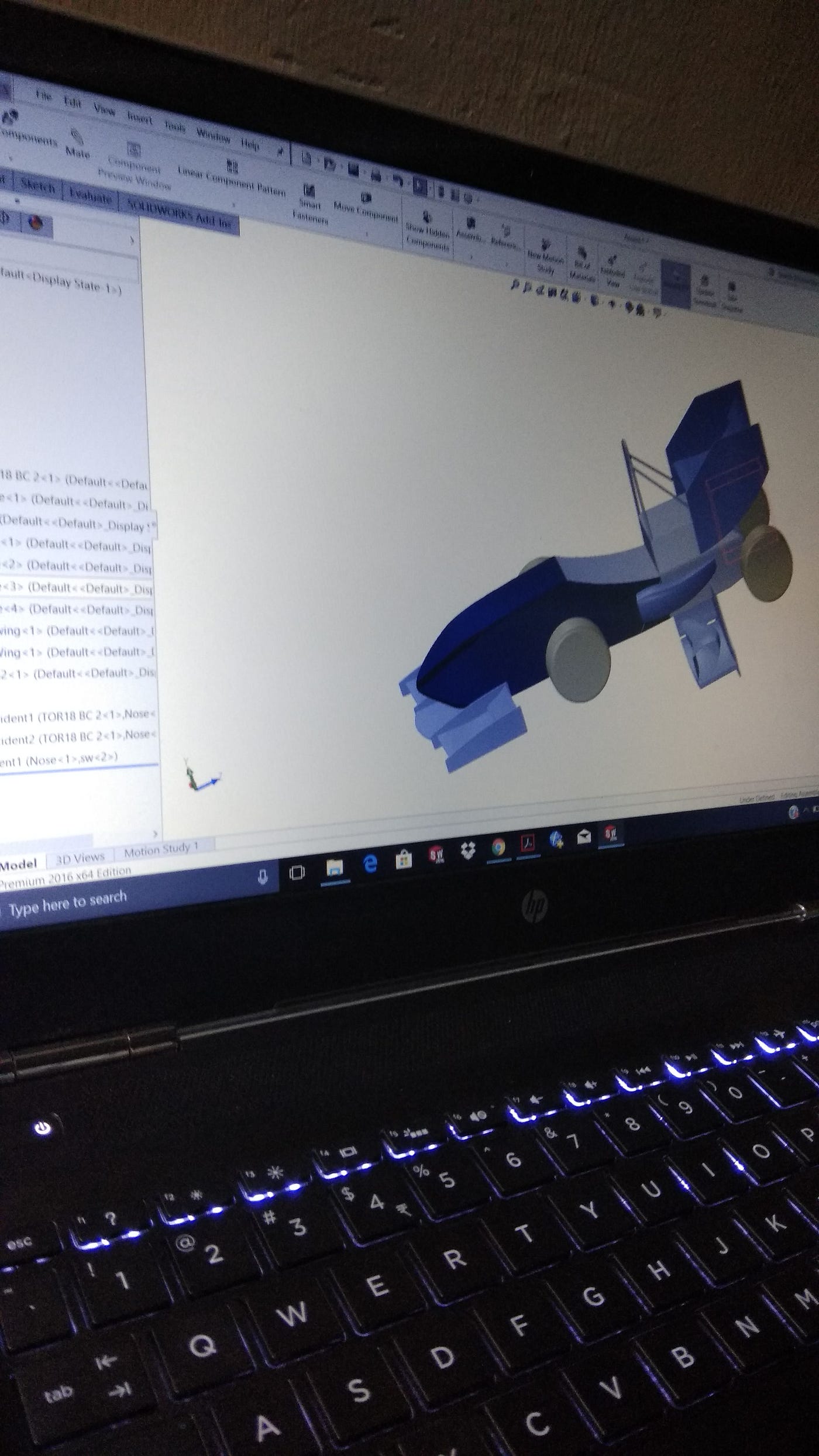
The design methodology was simple: design, simulate, modify, repeat. After 8 iterations, we finally achieved a design that would complement the vehicle performance. This time, we didn't fail. In fact, it was for the first time in 4 years of the team's history that we had the aerodynamics implement in the car. It was the second time I felt like I conquered the world.
But soon I realized this was just the concept we had made. The cost of manufacturing a wing can be huge, and being an amateur team we were always short on funds. For the first minute, the team was applauding us for our designs. The next minute, realizing how expensive the manufacturing process could be, they were all against it. From being the coolest thing on the car to being useless — it all happened on the same night. Now the job was not just to take care of workshop permits, design aerodynamics, and teach juniors, but also to convince our teammates that this would help with vehicle performance.
On some days, it was so frustrating that everything seemed meaningless. The efforts and fun were all in vain if you don't see the results. But soon I realized: it's not about me. It's about the team and the one common goal — a good FSAE electric vehicle. If I lost hope, then what was I going to tell my juniors? The expectations one has from a college project team are usually self-oriented. Students often fail to understand the team motive and the concept of a common goal. It was a big challenge to motivate myself and the juniors to hold on to the team.
Manufacturing the dream
We were on a tight budget, short on days, exams were approaching, documenting the design work was still pending — I can count 100 other things that were messed up. But we managed to participate in Formula Student Italy with the complete aero design. This was only possible because of the teamwork.
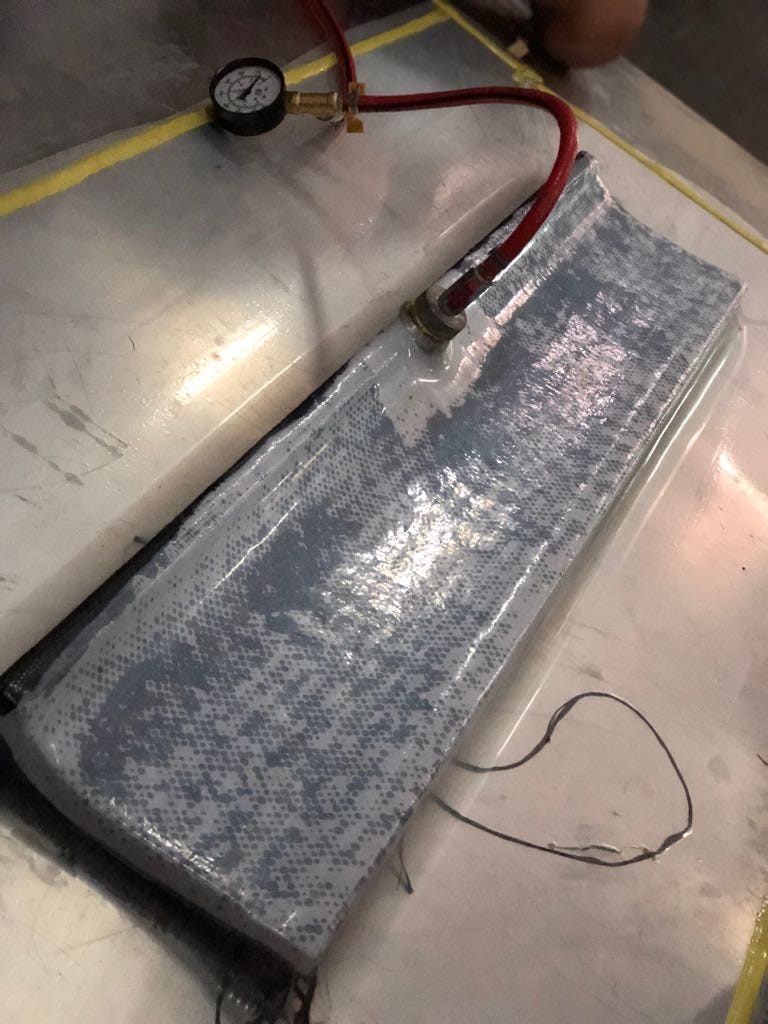
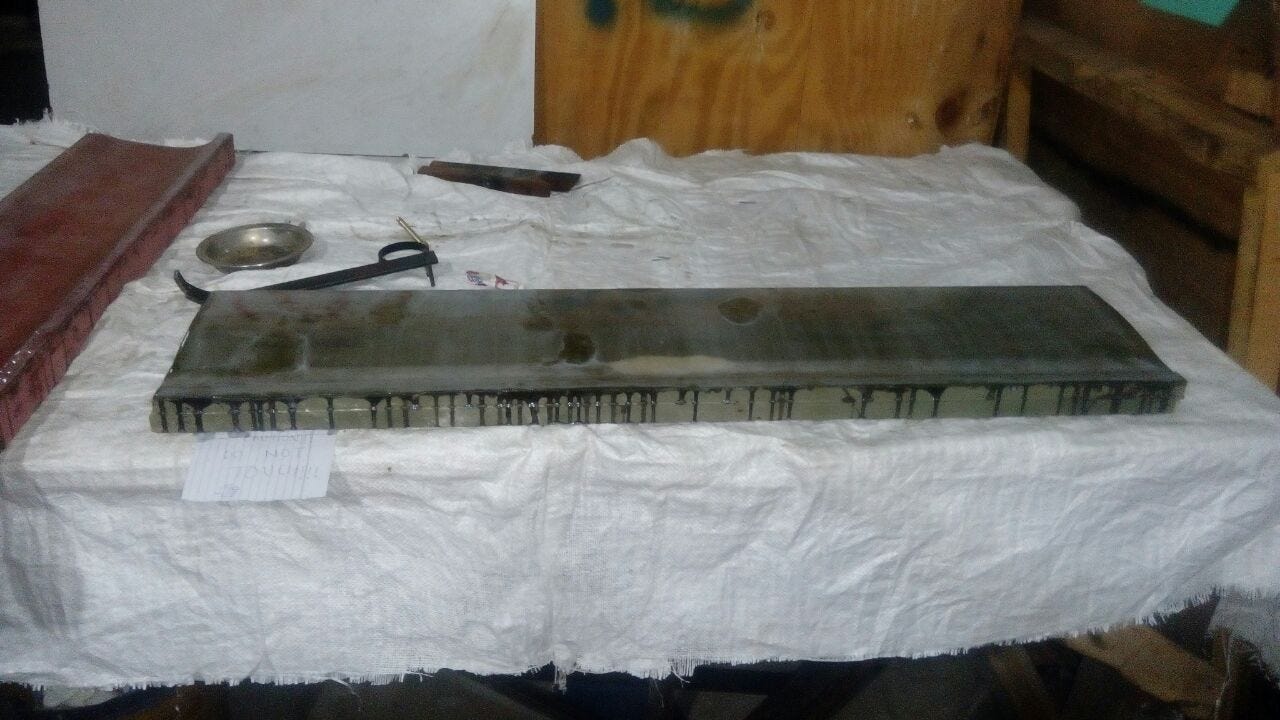
For the first time, we started working as a team and not as individual departments. The management department got us sponsorships. We explored local sources around the university to fetch the materials. For three years, I thought Vellore was just a useless village where people neither knew English nor Hindi. But when I started exploring the useless village, I found some really skilled machine operators and craftsmen. The first man to help us was a local craftsman who carved fiberglass to make beautiful doors. He actually came to our college and helped us with the process of vacuum molding manufacturing — a process where we lay up carbon fiber reinforced polymer with epoxy and hardener and let it rest at a certain pressure to obtain a robust, lightweight flap.
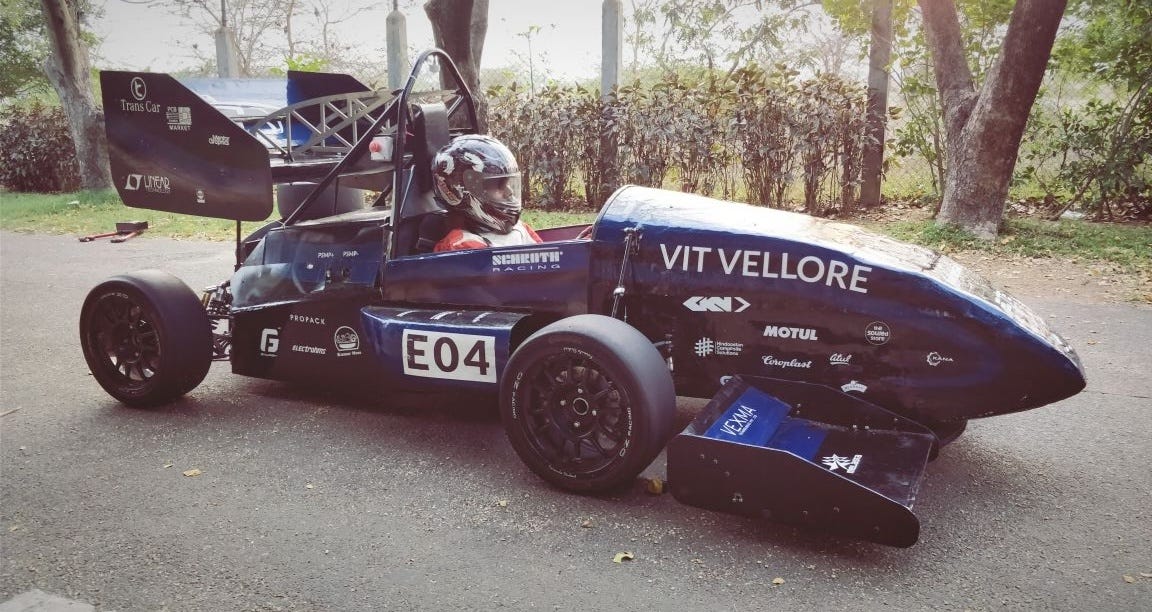
The first time we got the two flaps ready, forming a complete single wing — it was the third time I felt like I conquered the world. That December vacation, we didn't go back home to celebrate the New Year or Christmas. We stayed back just to manufacture wings. And my teammates, the ones who thought aero was useless, helped me throughout the manufacturing process. It wasn't perfect, but far better than the very first thermocol prototype. When we first mounted the wings on the car, I got the flashback of all the hurdles — the night permits, fighting my own teammates, failed attempts. But in the end, it was all worth it.
Formula Italy, 2018
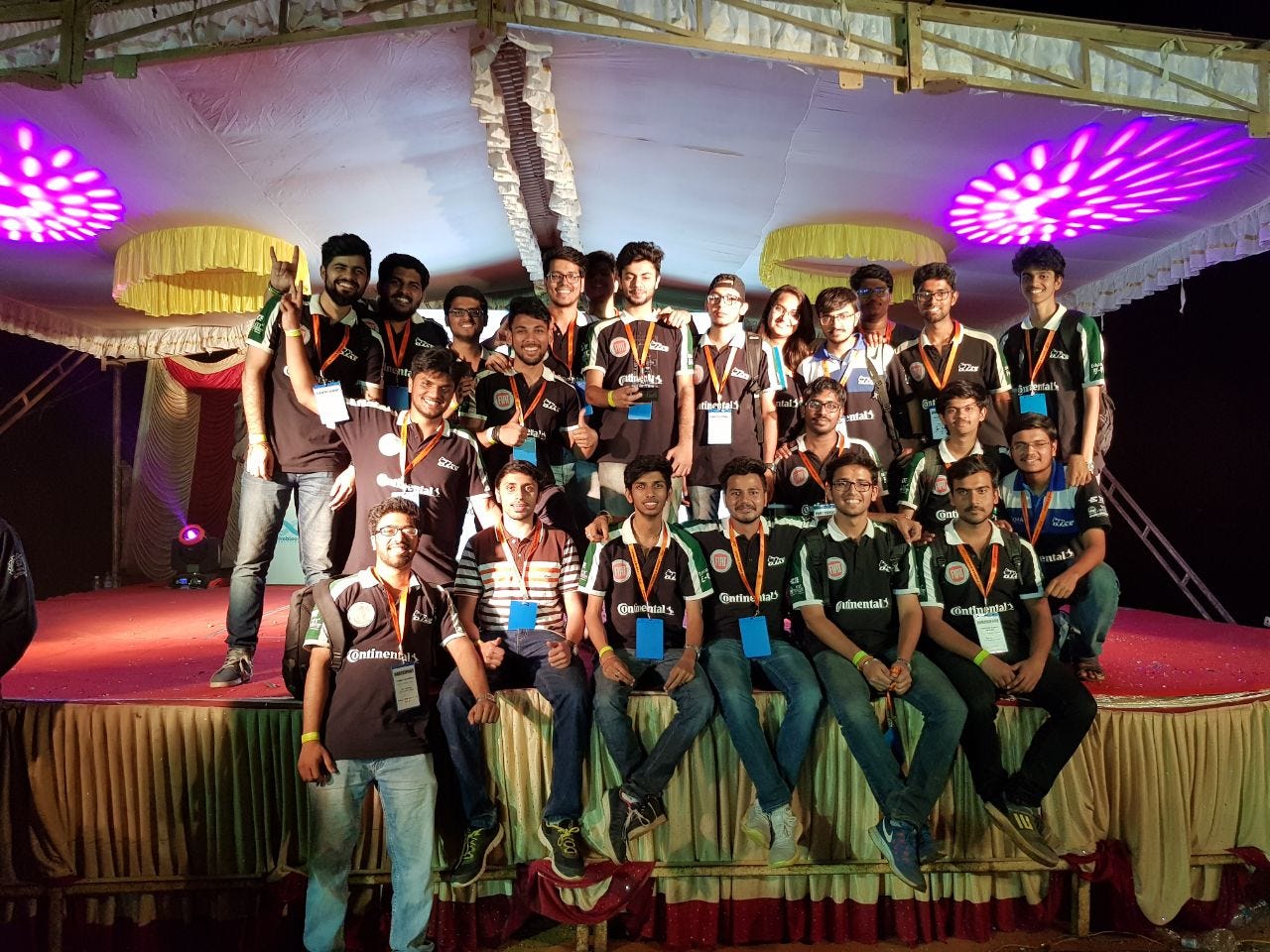
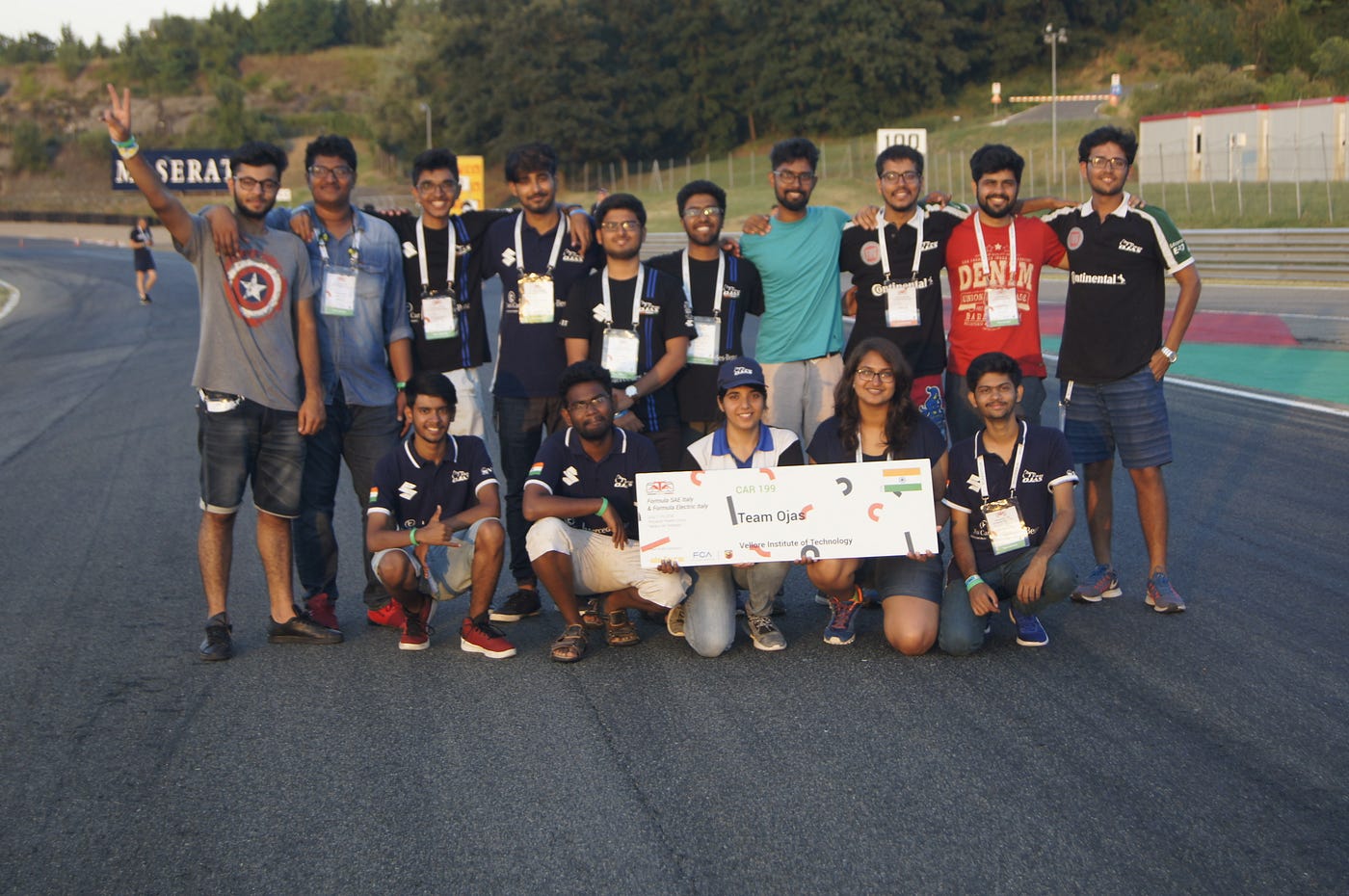
With this car, we participated in the Formula Bharat design challenge and Formula Green India. Both events were held in Coimbatore, where we were the champions at Formula Green. Finally, we took this car to Formula Italy 2018 at the Riccardo Paletti Circuit in Parma. We bagged 13th in the design event and 5th in the cost event among 37 international teams.
Formula Student Italy was the fourth — and final — time when I felt like I conquered the world.